
Aluminum framing is a staple in modern manufacturing, revolutionizing how industries build, assemble, and optimize their operations. This framing is critical across various industries with a wide array of applications.
Known for its strength, versatility, and lightweight nature, aluminum framing can enhance efficiency, reduce costs, and ensure long-term durability. Whether you’re designing modular workstations, automated machinery systems, or cleanrooms, aluminum framing has various applications to meet diverse manufacturing challenges.
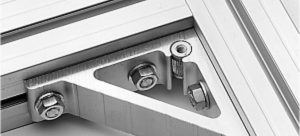
Aluminum framing refers to structural systems composed of extruded aluminum profiles designed to create durable and adaptable frameworks for various applications. Manufacturers typically construct these frames using modular components, including T-slot profiles that allow for quick assembly and reconfiguration without the need for welding.
While aluminum framing is a vital material, it is essential to understand why it plays such a crucial role in manufacturing. Each of these benefits showcases how frames can play a role in various industries.
Aluminum offers exceptional corrosion resistance due to its naturally forming oxide layer. This layer protects the material from the effects of moisture and various chemicals, making it an ideal choice for use in industrial environments where durability is essential. Its ability to withstand harsh conditions contributes to a longer service life and reduced maintenance costs.
With sustainability becoming a prominent global concern, aluminum stands out as a highly recyclable material with a lower environmental impact compared to many alternatives. Its recycling process requires significantly less energy than primary production, making it an environmentally responsible choice for various applications.
The flexibility in aluminum’s design makes it easy to assemble and reconfigure. The modular nature of aluminum systems simplifies installation and allows for quick adjustments, a critical feature in fast-paced manufacturing environments where adaptability is essential for meet evolving demands.
With the advantages that aluminum framing presents, it has numerous applications that can help any facility. From safety to efficiency, aluminum fencing can enhance any workspace, no matter the industry.
Aluminum framing is common in the design and construction of modular workstations. These systems allow manufacturers to create ergonomic, customized work environments for employees by integrating adjustable heights, lighting fixtures, and storage.
Simple setups like this provide a streamlined and efficient space for employees to work. They work especially well in assembly lines that often rely on modular stations to accommodate workers performing repetitive tasks, ensuring comfort and efficiency.
Reconfiguration also allows employees to rearrange the aluminum framing as workflow changes or production needs evolve. This creates a more efficient space that can adapt to any need of the manufacturing setting.
Manufacturers prioritize safety in environments filled with high-speed machinery and moving parts. Aluminum framing allows for the creation of machine enclosures and safety guarding, protecting personnel from potential hazards without hindering productivity.
Clear panels allow for visibility into the machinery while maintaining safety. Combined with the aluminum framing, it provides both safety maintenance and clear visibility of needed machinery.
With tailoring, aluminum profiles can fit machines of varying sizes, ensuring a precise barrier without excessive bulk. The aluminum can suit the given space, and installation takes far less time when compared to traditional steel guarding systems.
Industrial automation is rapidly transforming the manufacturing landscape, and aluminum framing plays a vital role in this transition. From robotic arms to conveyor systems, aluminum structures form the backbone of many automation setups.
Lightweight aluminum allows for easy transportation of robotic cells. It also works well for reconfiguring the robotic cell, which is crucial for dynamic production environments. Aside from robotics, aluminum framing works very well when it is necessary to scale conveyor systems up or down. Whatever the operation requires, aluminum framing can make the process smoother and quicker.
Pharmaceutical and electronics manufacturing often occur in cleanrooms, where contamination control is crucial. Aluminum framing is an excellent material for constructing cleanroom walls, ceilings, and workstations. Its corrosion-resistant surface is easy to clean and meets the stringent cleanliness standards required by industries such as biopharma and semiconductor production.
Custom framing allows for seamless integration of panels, minimizing particle traps and maximizing cleanliness. In electronics manufacturing, electrically conductive aluminum prevents static buildup that could damage sensitive components.
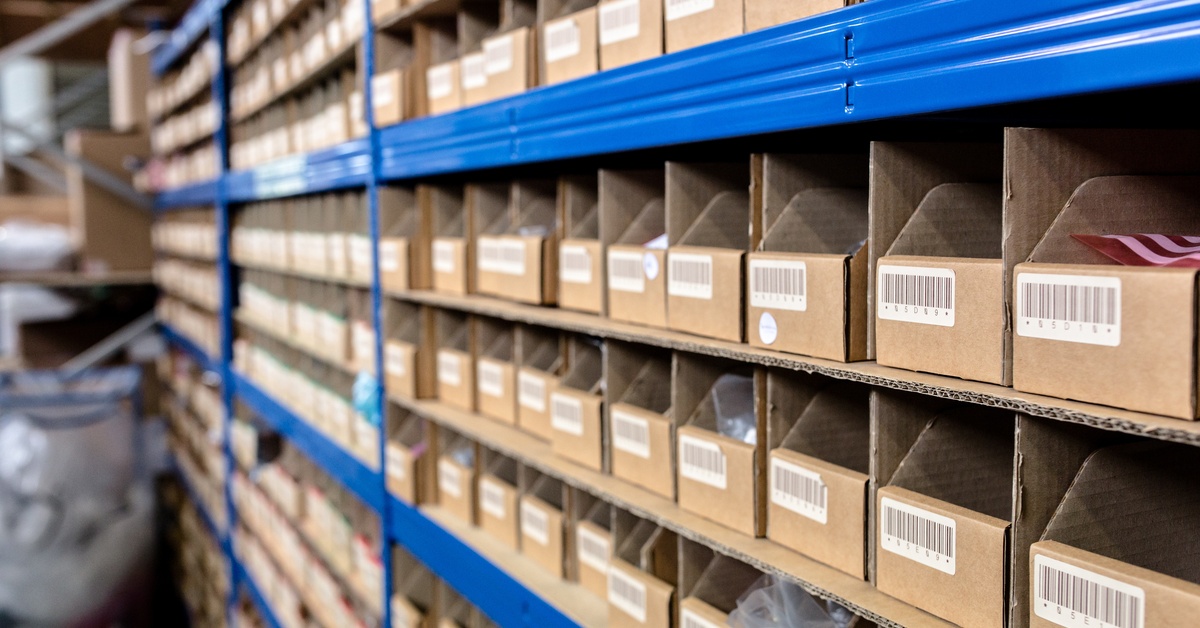
Effective material handling and storage solutions are fundamental for maintaining operational flow on the manufacturing floor. Aluminum framing is popular for building racking systems, carts, and trolleys.
Racking systems are shelving systems designed to store tools, raw materials, and finished products. Their setup is the foundation for an efficient workplace and holds all the materials needed throughout the workday. Since aluminum is a lightweight material, any time a facility needs to adjust its setup, the alteration process is quicker than with other, heavier materials.
Carts and trolleys also utilize modular aluminum frames, creating lightweight, mobile carts that are ideal for transporting materials across production lines. Companies also rely on aluminum framing to adapt storage solutions for various shapes and sizes while maximizing space utilization.
Manufacturers often require custom fixtures for product assembly or testing. Aluminum framing stands out in this area for its adaptability and ease of assembly.
Aluminum structures hold components in place during welding or adhesive curing, ensuring precision and repeatability. With a stable structure to rely on, workplaces can function better and maintain a consistent output with each product.
Testing stations for quality assurance often use aluminum profiles thanks to their ability to incorporate sensors, cameras, and other testing equipment. By enabling quick prototyping and on-the-fly adjustments, aluminum framing significantly reduces downtime during design and testing.
From food processing to aerospace, aluminum framing is essential for designing specialized equipment that meets the unique demands of various industries. Its versatility and strength allow it to meet the unique demands of multiple applications.
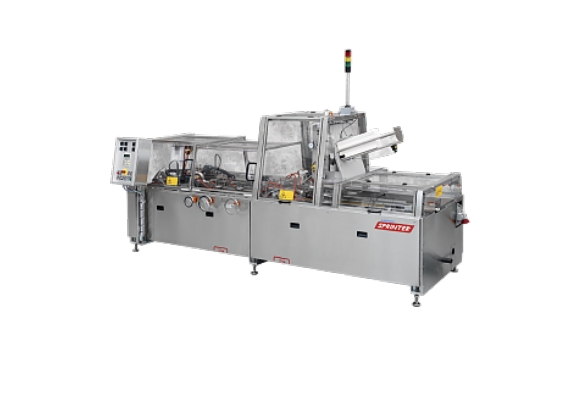
This applies to packaging machines used in the fast-moving consumer goods (FMCG) world, slicing machinery for food and beverage production, and calibration equipment required in precision industries such as aerospace. This adaptability makes aluminum framing an indispensable component in creating efficient and reliable industrial solutions.
Whether you’re looking to enhance safety, improve efficiency, or scale your operations, aluminum framing has numerous applications to meet your manufacturing needs. Its modularity, lightweight nature, and strength have revolutionized how manufacturers approach facility design and process optimization.
If you’re considering aluminum framing for your next project, collaborate with A-Line Automation to ensure precise measurements, suitable material finishes, and long-term value for your investment. Our Bosch T-slot aluminum extrusions can provide the right aluminum framing for your manufacturing needs. If you’re looking to elevate your facility’s efficiency with the best materials, contact us today.
Machine guarding is an important aspect of workplace safety in industrial and manufacturing settings. Guarding protects workers from hazardous moving parts, flying debris, and other risks that could lead to severe injuries.
Some facilities violate the machine guarding OSHA (Occupational Safety and Health Administration) regulations. Adhere to these guidelines by learning the facts every facility should know about machine guarding requirements.
Machine guarding refers to barriers or protection systems installed on operational equipment to shield workers from potential hazards. Some hazards include moving parts, sparks, heat, or shards that could become projectiles.
Effective machine guarding protects both the operators and the equipment. It ensures that equipment performs efficiently, reducing downtime caused by accidents or damage. By guarding workers and machinery, there are numerous requirements that facilities must follow.
Implementing the right safeguards in facilities can prevent accidents, protect employees from injuries, and maintain compliance with safety regulations. Follow each aspect of machinery guarding to remain compliant with OSHA guidelines and maintain the safest possible workplace.
Priority one for safeguarding is to ensure that guards effectively prevent hands, arms, or any part of a worker’s body from coming into contact with hazardous machine parts. Moving parts can pose risks to worker safety if clothing or body parts are too close to the machinery. Some moving parts, such as flywheels, belts, and gears, are extremely dangerous.
OSHA guidelines specify that every moving part must be adequately shielded to prevent accidental access. Whether installing fixed guards, adjustable guards, or interlocking systems, the primary goal remains the same—to eliminate the chance of contact.
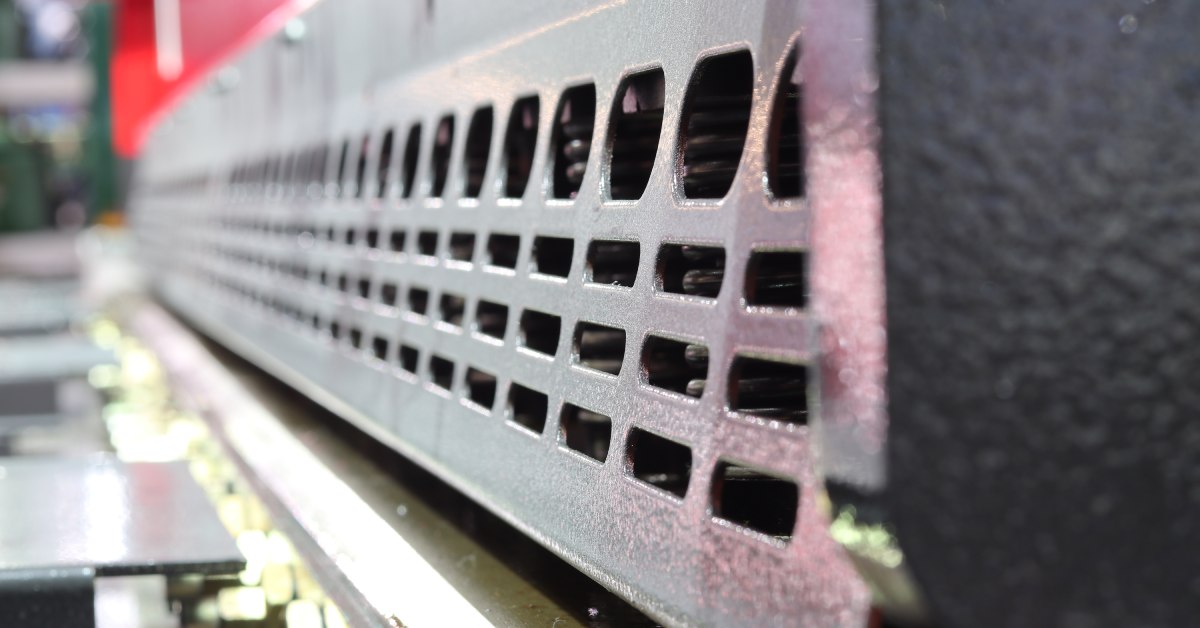
Sturdy and secure machine guards help avoid accidental detachments and displacements. If guards are not in the proper place, they can be ineffective. This poses a greater risk to worker safety.
Flimsy guards can become a hazard in their own right. Improperly secured guards may detach during operations, leaving workers exposed to risk. Engineers designing these systems must ensure that the guards contain durable materials, such as high-grade steel, and will firmly attach to the machine using bolts or permanent fixtures.
For example, a food processing plant might implement reinforced stainless-steel guards capable of withstanding high-pressure washing. This high level of durability in a challenging environment won’t compromise worker safety.
Guards should not introduce new hazards, like sharp edges or pinch points. Proper machinery guards should remove the risk of injury, not add new ones.
Poorly designed systems can accidentally cause harm. Engineers must account for the guard’s material, finish, and placement. Rounded edges, smooth finishes, and proper installation angles can minimize these risks. Additionally, avoid designs that could interfere with workers’ visibility or operational ergonomics.
Use transparent safety shields that ensure visibility while meeting impact-resistance standards. Always consider positioning guards in safe, efficient, and comfortable spaces that can reduce worker strain.
Maintenance should be a simple practice for machinery guards without requiring detachment or complete disassembly. When workers continuously monitor the guards’ status, there isn’t a need for repairs or operational downtime that complicates the workflow.
Keep in mind that regular inspections, cleaning, or lubrication shouldn’t necessitate the removal of protective guards. Selecting panels with hinges, sliding mechanisms, or quick-access latches strikes a balance between safety and accessibility in the facility.
When designing guards that allow for routine maintenance, incorporate visual indicators such as inspection windows or clear panels. These features enable quick assessments of machine components without needing to open or remove the guard, saving time and reducing unnecessary exposure to safety risks
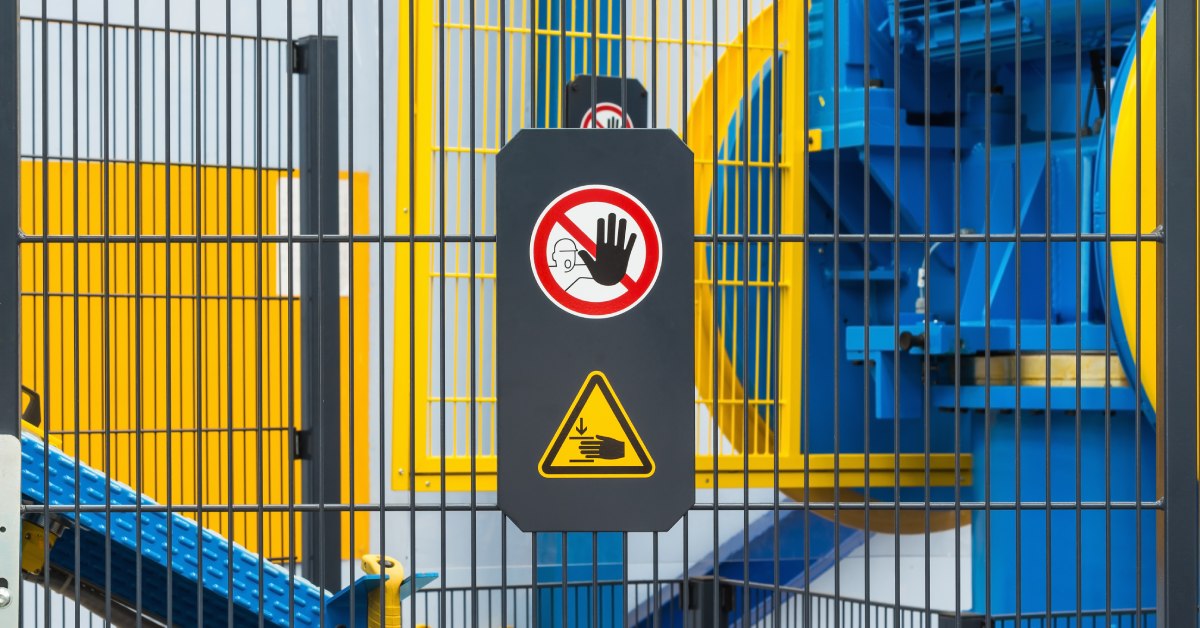
Every guard must meet established OSHA standards and any additional industry-specific regulations. This may seem challenging, but OSHA outlines various types of guarding and their corresponding requirements for manufacturing environments.
Failing to comply with OSHA regulations isn’t just about fines; it jeopardizes the lives of workers. Facilities should conduct regular audits to ensure they have compliant guard systems. Furthermore, seek industry-certified solutions when upgrading machinery. If the guarding equipment fails, make replacements promptly and remove the equipment from the work area.
Certified third-party auditors are great resources. They can assess compliance and identify areas for improvement. If you are unsure that the facility follows proper OSHA guidelines, consulting with an auditor can provide better safety and compliance.
Machine guarding isn’t just about avoiding penalties or injuries; it offers organizations long-term advantages. When workers’ well-being is prioritized, they feel safe and are commonly more productive.
Productivity in machinery also benefits, because accidents don’t halt operations. Poor safety can lead to workplace injuries or machinery downtime, which impacts productivity for everyone. By reducing workplace injuries and machinery malfunctions, businesses also save on unexpected medical bills and equipment damage.
Reputations benefit from proper safety guidelines, especially with machine guarding. Adhering to or exceeding safety requirements positions your organization as a leader in safety standards, thereby earning the trust of clients and partners.
Regular equipment audits and proper training are critical to maintaining workplace safety and minimizing risks. Conducting detailed safety audits ensures that all machinery is functioning within regulatory and operational standards.
Perform audits periodically, document the guards’ status to track OSHA compliance, and identify patterns of wear or failure. Systematically reviewing equipment performance allows engineers to address potential hazards before they escalate, ultimately fostering a safer, more efficient work environment.
By integrating audits and training into standard practices, organizations not only ensure compliance with industry regulations but also enhance team collaboration and build a culture that prioritizes safety and efficiency.
Proper machine guarding is only half of the safety equation. To truly foster a culture of safety in your facility, encourage reporting hazards, stay up-to-date on OSHA standards, and invest in comprehensive training for your employees. Knowing these standards, paired with machine guarding requirements, ensures a safe facility for everyone.
For the best in industrial safety fencing, look to A-Line Automation for the best options. Our specialists can help you find exactly what you need to keep your staff and equipment safe. To prioritize your facility’s safety, contact A-Line Automation today.
Many employees stand or sit at a workbench for hours a day, which can be exhausting on their feet and back muscles. When your manufacturing and warehouse workers clock in for their shift, their environment should be comfortable and have a workspace catered to their needs. To improve your workplace and boost productivity, find out the benefits of height-adjustable industrial workstations and how you can implement these structures into your warehouse layout.
Height-adjustable industrial workstations promote the ergonomic welfare of your employees. A poorly designed workbench can lead to physical strain, reduced output, and workplace injuries. Make ergonomics a top priority in your warehouse by using resources that improve mobility and flexibility.
Adjustable workstations allow your team to maintain proper posture throughout the day. Workers can modify the height of their desks to match their tasks, which reduces the need to hunch over or reach excessively. Adjustable surfaces also improve the flexibility of the workstation, as they can accommodate employees of all statures.
Ergonomics directly impacts health and comfort. Prolonged awkward posture can lead to back pain, carpal tunnel syndrome, and repetitive strain injuries. These ailments result in lost productivity, increased health care costs, and heightened worker dissatisfaction.
Height-adjustable desks reduce these risks by encouraging proper body alignment. When paired with anti-fatigue mats and ergonomic seating, workstations minimize physical stress. This combination leads to a noticeable improvement in comfort and job satisfaction, which drives employee retention.
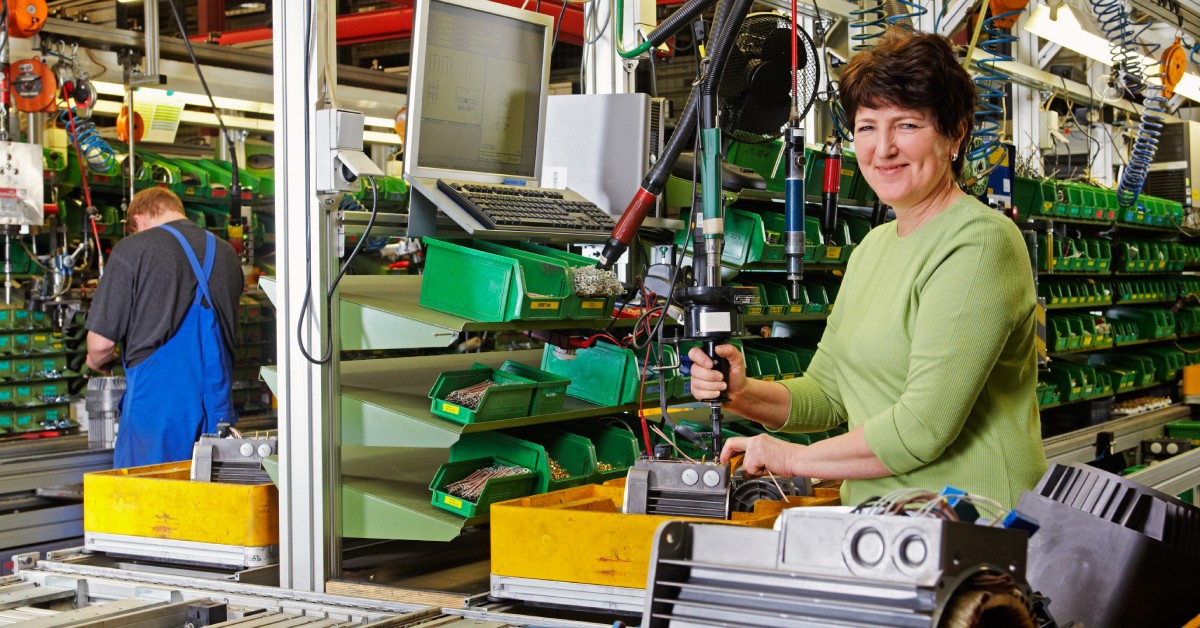
When employees feel appreciated, they are likely to be more productive. Creating a customizable and personalized workspace gives them the chance to adjust their workplace to their needs. With a workspace catered to their skillset and preferences, this will reduce downtime and enable task versatility.
Adjustable workbenches build a seamless transition between sitting and standing positions. This greatly improves workflow efficiency, as workers don’t need to leave their station to rearrange or adapt the desk to fit their needs. This constant adjustment helps sustain focus on the task at hand to minimize interruptions.
For assembly line tasks, adjustable workstations serve as tailored solutions to meet dynamic demands. Workers performing fine detail work, for example, can lower the platform for precision control. For heavy lifting, they can raise these surfaces to facilitate efficient handling and reduce strain on the lower back.
By alternating between sitting and standing, employees can stave off tiredness and sustain energy through long shifts. This leads to fewer errors, quicker task completion, and a higher output rate. The physical and mental benefits gained from less fatigue ultimately boost productivity metrics across the board.
Manufacturing warehouses often handle a wide variety of tasks, from precision welding to large-scale assembly. While fixed-height workbenches may suit basic needs, height-adjustable options can add diversity to each employee’s workload.
Precision roles often demand steady hands and close attention to detail. As a solution, adjustable desks calibrated to eye-level improve accuracy and reduce the margin of error in sensitive tasks. This adaptability is especially important for electronic assembly or quality control inspections.
For workers handling bulky materials or machinery, adjustable workstations simplify workflows by making tools and components more accessible. These workbenches house all of their materials in designated areas without forcing employees to walk around the facility. Added features such as tiltable surfaces can further improve usability so that employees don’t compromise safety for convenience.
Safety encompasses more than hard hats and hazard zones—it extends to the daily tools your team interacts with. Height-adjustable industrial workstations offer many benefits related to safety protocols.
Heavy lifting is one of the most cited causes of injuries in an industrial setting. These actions could lead to overextension or other bodily harm if not handled properly. By allowing workers to adjust the height of the work surface, adjustable workstations minimize strain during lifting activities.
Standing or sitting for prolonged periods places stress on the same muscles and joints. This continued exposure without breaks can lead to chronic pain or permanent injuries, which puts your employees at risk. By alternating workbench heights, your team can avoid these uncomfortable strains.
Many industries require compliance with specific ergonomic or safety standards. If you want to improve your workplace protocols, height-adjustable workstations help meet these regulatory requirements. This will reduce legal liabilities and keep your facility ready for audits.
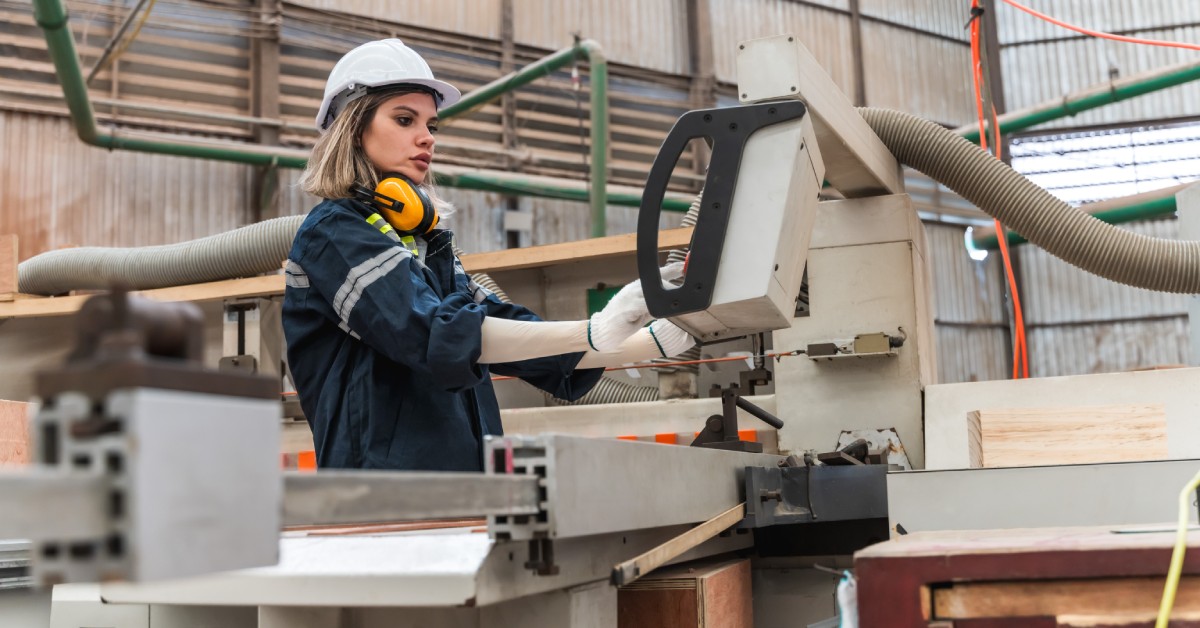
Collaboration thrives in environments that offer flexibility, and adjustable workstations support teamwork by fostering easy interaction among employees. When team members of varying heights or roles share the same workstation, these workbenches accommodate all employees for a comfortable workplace.
Within manufacturing workflows, collaboration often occurs at cross-functional junctions. This means that employees might need to work together on different tasks simultaneously. Adjustable desks enable quick customization in these shared spaces to support collaboration without hindering individual efficacy.
During team demonstrations or training sessions, adjustable workstations serve as ideal platforms. Their adaptability provides visibility and comfort for all team members, whether standing or sitting.
Height-adjustable workstations are a valuable tool for businesses striving to adopt lean manufacturing principles. The aim is to reduce waste and maximize efficiency, and these desks address both goals effectively.
Adjustable workbenches save space by condensing multiple usage options into a single station. This aligns with lean aims of simplifying and integrating processes. Adjustability allows each station to cater to a variety of roles in order to eliminate the need for multiple fixed solutions.
Because lean manufacturing thrives on adaptability, having workspaces tailored to daily operational shifts results in fewer delays. From task prioritization to downtime reduction, adjustable desks allow for rapid pivots in line with shifting production priorities.
Lean systems encourage employee input to improve processes. Adjustable workstations offer workers direct control of tailored settings, which empowers them to suggest efficiency boosts that align with their specific roles. Discuss these changes with your employees to determine what kind of resources they need to successfully complete their tasks.
If you have room in your budget for an upgrade, consider installing aluminum profile desks for your warehouses. A-Line Automation offers durable and flexible workstations suitable for a variety of tasks and assembly jobs. To expedite your workload, learn more about our design process and how we can benefit your company today.
Many manufacturers and metal workers use aluminum components because of their lightweight, durable properties. However, these materials are not immune to corrosion. To protect aluminum goods from corrosion in harsh environmental conditions, follow these preventative measures to extend their longevity.
Anodizing strengthens the natural oxide layer on aluminum, creating a thick, protective barrier to prevent corrosion. This electrochemical process also boosts the aluminum’s resistance to general wear and tear. Apply this decorative finish that will make your product shine while protecting its surface from corrosion.
Coatings such as epoxy and polyurethane provide an extra shield between aluminum and corrosive elements like moisture, salt, and chemicals. This especially works well for products in humid climates.
To protect your aluminum from corrosion, consider a powder coating. It’s another durable option, as the dry powder bonds tightly to the metal when baked.
Sealants and primers containing corrosion inhibitors can protect aluminum by neutralizing the agents that trigger oxidation. These compounds are especially useful for aluminum components exposed to water or high humidity, such as marine equipment and outdoor furniture.
Each aluminum alloy has its own level of resistance against corrosion. Certain types, such as 6061 and 5052, perform better in environments where durability matters. Select alloys designed to optimize strength and resistance to corrosive damage.
Designing your products with corrosion in mind will prevent any wear and tear on your project. Avoid features that allow water or dirt to accumulate on aluminum structures. Also, create components that have adequate drainage to reduce prolonged exposure to moisture.
Galvanic corrosion occurs when aluminum contacts dissimilar metals in the presence of an electrolyte. To prevent this, use insulating materials, like bolts with protective coatings or rubber gaskets, to avoid direct contact between metals.
Routine cleanings remove corrosive agents like dirt, salt, and pollutants. Therefore, when it comes to large systems, schedule maintenance regularly. Washing aluminum with mild detergents and water prevents oxidation from progressing into severe damage.
By understanding the causes of corrosion and employing effective strategies, you can extend the life of aluminum components. When planning your next project, consider the high-quality solutions provided by Bosch aluminum structural framing from A-Line Automation. With a frame built to offer both performance and reliability, your next project will remain efficient and long-lasting for years to come.
Custom metal fabrication continues to evolve as many industries demand more advanced, efficient, and precise solutions. Understanding the future trends in this field allows product designers and manufacturers to stay competitive and meet market demands. Find out what to expect from the future of custom metal fabrication and how you can use these resources to benefit your upcoming projects.
The automotive industry relies on custom metal fabrication to produce high-quality, durable vehicle components. The future holds exciting innovations that will make these resources safer and allow for more personalized mechanisms for consumers.
Advancements in laser cutting and AI technologies are enabling automakers to create complex geometries with greater precision and finer tolerances. These improvements result in lighter, safer components that improve vehicle performance.
The use of lightweight alloys such as aluminum and titanium further supports the industry's push for fuel efficiency and sustainability. With these resources, automotive industries can offer exceptional strength-to-weight ratios while reducing environmental impact.
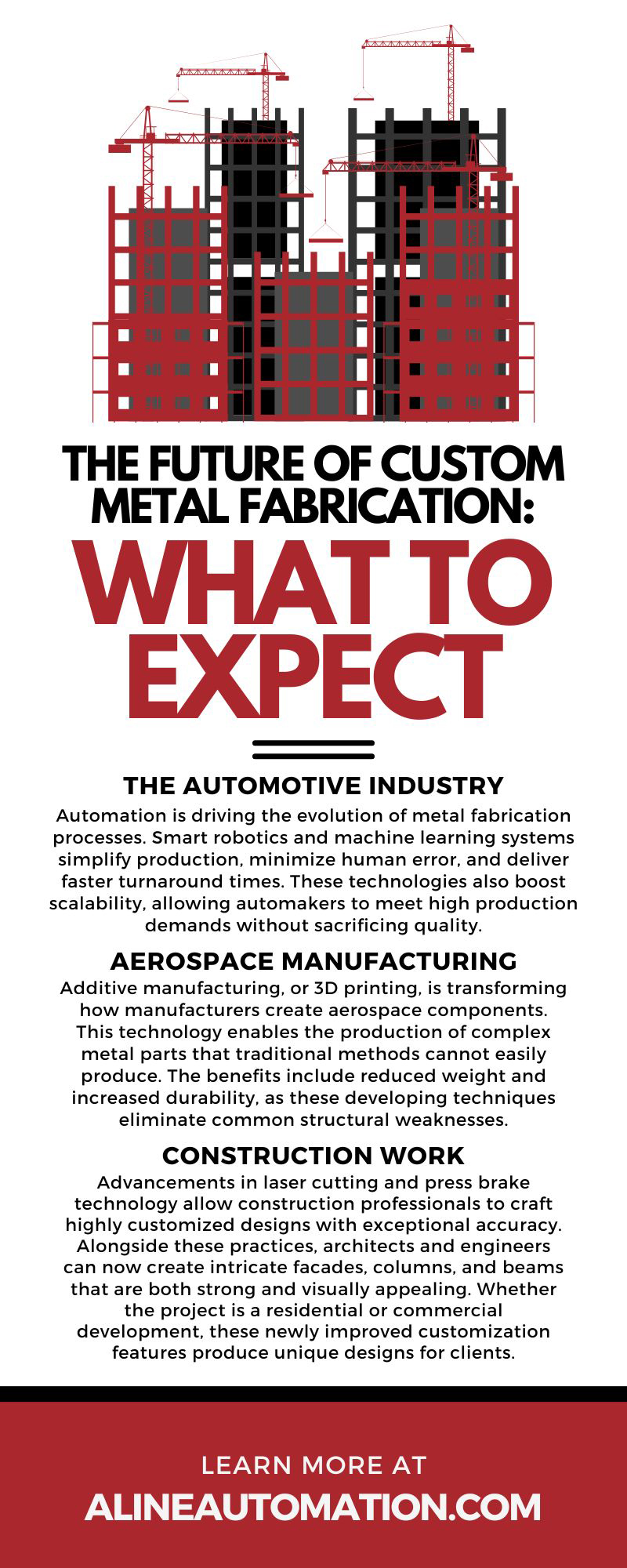
Automation is driving the evolution of metal fabrication processes. Smart robotics and machine learning systems simplify production, minimize human error, and deliver faster turnaround times. These technologies also boost scalability, allowing automakers to meet high production demands without sacrificing quality.
The aerospace industry uses custom metal fabrication to build aircraft that meet stringent safety and performance standards. Future advancements in fabrication technologies will improve performance, reduce costs, and support innovation.
Additive manufacturing, or 3D printing, is transforming how manufacturers create aerospace components. This technology enables the production of complex metal parts that traditional methods cannot easily produce. The benefits include reduced weight and increased durability, as these developing techniques eliminate common structural weaknesses.
Innovations in material engineering are also driving new possibilities for custom metal fabrication. For instance, ultralightweight alloys and composite materials improve fuel efficiency and extend flight ranges. Advanced heat-resistant materials tackle extreme conditions in engine systems and outer-space applications for reliability across multiple flight cycles.
The integration of data-capturing techniques into fabricated parts is revolutionizing predictive and preventative maintenance. By embedding sensors into metal structures, this makes real-time monitoring of component health possible and reduces downtime and maintenance costs. This proactive approach guarantees timely repairs and prevents failures to enhance overall operational efficiency.
The construction industry has always been one of the largest consumers of fabricated metal, and its future continues to look ambitious as custom metal fabrication advances. Builders and architects can expect great changes in the future of custom metal fabrication and look forward to the benefits it provides.
Advancements in laser cutting and press brake technology allow construction professionals to craft highly customized designs with exceptional accuracy. Alongside these practices, architects and engineers can now create intricate facades, columns, and beams that are both strong and visually appealing. Whether the project is a residential or commercial development, these newly improved customization features produce unique designs for clients.
Metal fabrication promotes eco-friendly building practices with the use of recyclable and reusable metals. With the rising trend of green initiatives, these advancements help reduce material waste and align with environmentally sound construction goals. This development grants construction workers the ability to meet stricter environmental regulations in their local area.
Cutting-edge manufacturing methods are improving work performance in construction with prefabricated metal structures. These techniques, including modular and hybrid metal fabrication, enable faster on-site assembly, reduce timelines, and improve the safety and reliability of final structures through standardized components.
Medical technology relies on exceptional precision, biocompatibility, and functionally integrated materials for patients and research studies. Modern metal fabrication techniques will further improve treatments and expand the possibilities for medical applications.
The increasing demand for surgical instruments and implants relies on custom laser cutting and CNC machining. These evolving techniques deliver finer tolerances and detailed finishes to ensure medical devices meet complex patient needs. High-precision fabrication simplifies integration with the human body, improving both patient comfort and recovery times.
Biocompatible alloys and shape-memory materials reconstruct medical implants for better application. Custom alloy fabrication reduces rejection risks while securing long-term durability.
Shape-memory alloys also allow for minimally invasive procedures by creating tools and implants that adapt to the body’s structure. This transforms patient care and surgical possibilities and boosts future treatment success rates.
AI and robotics are valuable assets for the production of customized medical tools and implants. Automated fabrication processes, powered by AI-driven data, enable scalable production without sacrificing personalized patient requirements or extensive testing trials. This approach reduces costs to advance the future of medical care.
Electronics manufacturing requires precision, conductivity, and durability for high quality products. This makes custom metal fabrication an integral part of this fast-evolving industry. Innovations in this sphere will set new benchmarks for design and operational efficiency.
Metals such as copper, silver, and gold used in electronics require precise fabrication methods. With the help of innovations in plasma and laser cutting, these techniques allow manufacturers to achieve the micro-level precision needed for modern devices. This improved accuracy will promote device functionality and longevity.
Custom alloy manufacturing is also leading to improvements in conductive materials. Newly manufactured conductive resources boost performance in heat sinks, circuit boards, and semiconductors. At the same time, durability upgrades will reduce wear-and-tear issues in consumer electronics, thereby extending product lifespans and cutting down on e-waste.
Fabrication processes use additive manufacturing to produce compact, high-performance components. This is particularly beneficial for wearable devices and IoT products, which demand lightweight, functional designs. The next phase of custom metal fabrication will meet rising consumer expectations for performance, design, and sustainability.
Plan for the future of metal fabrication by partnering with our team at A-Line Automation. For manufacturers and construction companies, we use custom aluminum profile fabrication methods that can adapt to evolving industry needs. If you’re looking for durable materials for your next project, browse our selection or contact our team for customized support today.
As you start your next construction or manufacturing project, you’ll need to find durable materials to create a structure that will last. Investing in supplies from a professional aluminum frame supplier reduces restocking costs and builds a relationship you can rely on for future projects. Here are the top five things to look for in an aluminum frame supplier to form the best partnership for your project.
An experienced supplier understands the intricacies of construction and manufacturing. They’ll provide aluminum frames that meet industry standards and specific project requirements.
Look for companies with years of expertise and proven success working with businesses similar to yours. A supplier with a strong track record will save you time and provide the high-quality materials you’ll need.
Reliable suppliers invest in premium-grade aluminum to build robust frames that resist corrosion, are lightweight, and offer superior strength. If possible, request samples or previous project references to assess the quality for yourself. This way, you can guarantee you receive aluminum frames that offer durability and cost-efficiency in the long term.
Every project has unique demands, so look for an aluminum frame supplier that offers customization options. Whether you require specific sizes, shapes, or finishes, a supplier equipped with advanced fabrication tools can modify your frames to align with your project’s needs. Ask about their ability to handle special sizing or unique requests before committing to a partnership.
Late or incomplete shipments can throw off construction timelines and create unexpected complications. Timely delivery keeps your project on schedule, so you can worry less about delays and focus on your work.
Partner with a supplier that guarantees prompt and accurate delivery of orders, and check reviews or speak with their current clients to learn about their logistics efficiency.
From handling inquiries about custom specifications to addressing post-delivery concerns, excellent customer support from your supplier will lead to a successful project. Responsive suppliers prioritize communication at every stage of the project. Look for companies with dedicated account managers or support teams who are quick to offer solutions and guidance.
If you’re ready to partner with a trusted company, contact A-Line Automation. Our team specializes in custom aluminum frame fabrication, so that you’ll have the materials you’ll need for a successful construction. For special sizing requirements or additional information regarding our services, get in touch with our aluminum specialists today.
Manufacturing warehouse workers operate heavy-duty equipment that puts both the system and the user in harm’s way. As a solution to these dangerous conditions, many facilities install machine fencing to block flying scraps of materials and isolate hazardous machinery. To mitigate errors, consider these factors when installing machine safety fencing in your facility.
Before installing machine safety fencing, assess your equipment and overall workspace layout. Map out machine specifications, operational hazards, and the space required for maintenance access.
A poorly planned layout could hinder workflow and create congestion during production. To prevent these issues, give the fencing ample clearance between workers and hazardous equipment and allow for quick operator intervention.
The fencing material you choose affects the durability and protection of the structure. Aluminum is a lightweight, corrosion-resistant fence for less heavy-duty applications.
Consider the facility’s environment, too. Dusty or wet conditions may demand special fencing coatings or materials to prevent damage over time.
Every industry follows strict safety regulations, including OSHA (Occupational Safety and Health Administration) standards. Machine guarding must meet criteria such as height, surface material, and opening dimensions to protect operators effectively.
Noncompliance endangers workers and exposes your facility to potential fines or shutdowns. Familiarize yourself with standards according to your industry. Verify the fence meets these requirements.
Another factor to consider when installing machine safety fencing is to plan ahead for repairs. While safety fencing restricts access to hazardous areas, it shouldn’t impede maintenance tasks or upgrades.
Incorporate a fence design that includes access points like removable panels, hinged doors, or sliding gates for quick entry. This setup allows operators to troubleshoot machinery efficiently without dismantling the entire fencing system.
Operators and supervisors must be fully aware of the facility’s surrounding processes at all times. For enhanced visibility, consider using transparent materials like polycarbonate panels or mesh fencing.
Additionally, bright colors and warning labels on key sections of the fencing can bring attention to potential risks. This will make employees more aware that they’re stepping into hazardous zones.
Manufacturing businesses constantly adapt equipment and workflows. To minimize downtime, modular safety fences provide flexibility by allowing you to expand or reconfigure sections quickly without extensive overhauls. Scalable designs save costs and equip the facility with the resources to handle new challenges as operations grow.
To establish custom machine guarding according to your warehouse’s needs, partner with A-Line Automation. Our specialists will help you design a machine guard that fits around your equipment and keeps your staff safe. To learn more about the process, reach out today!
While operating your manufacturing warehouse, it’s important to clear your stations and reduce clutter to keep the area clean. As a solution, many facility managers implement lean manufacturing initiatives that include providing structures and following protocols to keep the environment safe. If you’re looking to minimize material waste and save space in your warehouse, find out how modular workstations benefit lean manufacturing with these tips.
Modular workstations provide unique opportunities for customization and optimizing workplace layouts. By tailoring workstations to specific tasks, employees gain access to all necessary tools without disrupting workflows.
If you encounter higher workloads, your production may require different setups depending on product runs or customer orders. For your convenience, modular workstations are easy to reconfigure and adapt to changing needs.
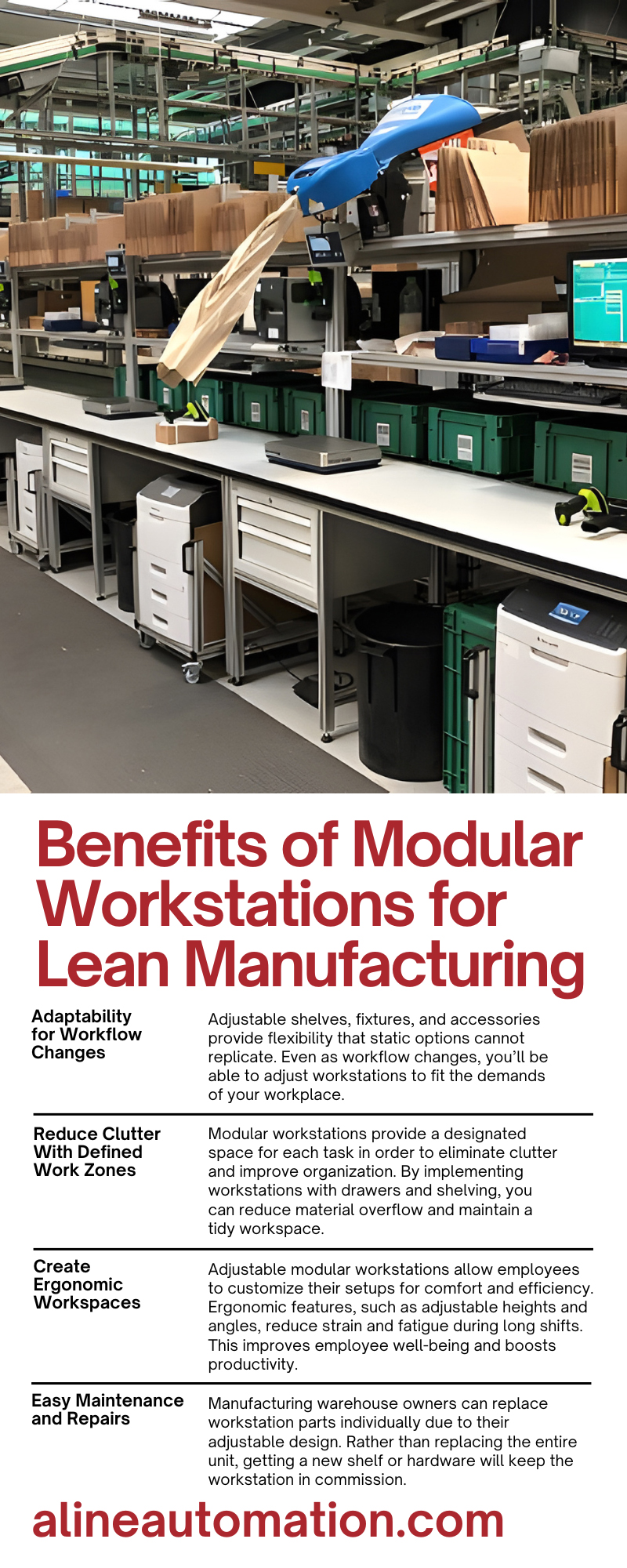
Adjustable shelves, fixtures, and accessories provide flexibility that static options cannot replicate. Even as workflow changes, you’ll be able to adjust workstations to fit the demands of your workplace.
When employees use customized workstations for their responsibilities, they can conduct tasks more quickly and with less frustration. Providing an organized, efficient workspace reduces the time spent searching for tools or materials. With everything in front of them, this produces faster production cycles and improves employee morale.
Lean manufacturing involves using every square foot of your facility. Rather than creating congested walkways and cluttered workstations, you can optimize space with modular workstations.
Modular workstations provide a designated space for each task in order to eliminate clutter and improve organization. By implementing workstations with drawers and shelving, you can reduce material overflow and maintain a tidy workspace.
With modular designs, you can maximize vertical space in your warehouse. Components such as stackable shelves, overhead storage racks, and hanging tool systems allow you to make the most of your available space without overcrowding the floor. If you need to clear pathways, optimize these areas by building up.
Because of the demands of manufacturing, many of your employees may experience discomfort during their shifts. Modular workstations feature ergonomic designs that support your staff as they work their full-time shifts.
Because of heavy tools and machinery, disorganized workspaces may cause accidents. Modular workstations reduce risks by providing designated storage for each item.
As you set up workstations for your employees, remind them to utilize the space effectively by putting their tools back in the drawers or on a hanging peg. A clear, organized workstation helps employees focus on tasks and keeps dangerous mishaps to a minimum.
Adjustable modular workstations allow employees to customize their setups for comfort and efficiency. Ergonomic features, such as adjustable heights and angles, reduce strain and fatigue during long shifts. This improves employee well-being and boosts productivity.
By enhancing efficiency, safety, and productivity, modular workstations deliver a strong return on investment (ROI). Less time wasted, fewer accidents, and optimized workflows contribute savings that justify the purchase of modular equipment.
Modular workstations benefit lean manufacturing initiatives by reducing material waste from damaged parts. Because of their design, these workstations will fit the demands of any job you assign your workers.
If need be, you can expand modular workstations to accommodate changing production demands, new processes, or an increased workforce. This adaptability allows you to stay agile in a dynamic market and reduces the need for infrastructure overhauls. By investing in modular systems, you can maintain efficiency and align with lean manufacturing goals.
Modular systems prevent material damage or loss by supporting organized work environments and providing storage. This reduces the cost of waste while keeping production lean. Conduct audits regularly to determine if you need to make additional adjustments to the workstation’s design.
As your warehouse develops, you may need to expand in order to accommodate bigger, better projects. Modular workstations offer a cost-effective solution to adapt warehouse layouts as your needs evolve.
Modular workstations grow alongside your business. Add new components or reconfigure existing ones as your team and production demands expand. Scalability reduces the need for costly and disruptive renovations and pays off itself over time.
As your lean practices develop or shift, modular setups provide the flexibility to implement new processes without complete overhauls. Adjusting your workstation strategy to accommodate these changes keeps your lean strategy on track without disrupting the work environment or causing confusion among your staff.
When systems require maintenance or repairs, this can create downtime in your manufacturing warehouse. Durable, low-maintenance modular workstations will perform well for long-term operations and require minimal repairs.
Manufacturing warehouse owners can replace workstation parts individually due to their adjustable design. Rather than replacing the entire unit, getting a new shelf or hardware will keep the workstation in commission.
High-quality modular systems feature long-lasting materials, such as T-slot aluminum. They are suitable for the demanding conditions of manufacturing warehouses. Their durability reduces the need for frequent replacements, which further aligns with lean manufacturing goals.
While modular workstations might require a higher initial investment, their scalability, durability, and adaptability reduce ongoing costs. You’ll save money on replacements, layout changes, and inefficient workflows caused by static systems.
Lean manufacturing encourages open communication and teamwork. To boost these initiatives, modular workstations create collaborative environments that support team-based tasks.
Modular workstations can be hubs for group activities or assembly lines. This approach fosters collaboration for team-dependent tasks. Adjustable configurations that allow teams to work comfortably together result in better productivity for your manufacturing warehouse.
Many modular workstation designs support visual management tools, such as whiteboards or digital displays. Incorporating these systems keeps teams informed about production goals and progress and enables more effective communication on the floor.
Before investing in a T-slot aluminum desk, implement your lean manufacturing initiatives effectively so that each of your employees understands the new policy. By doing this beforehand, you’ll be able to introduce your modular workstations without confusion. If you’re ready to invest in these handy modular designs, get in touch with our team at A-Line Automation today!
To provide proper treatment to patients, health care professionals require standardized equipment that supports their workload. Aluminum extrusions offer a durable solution for health care machinery. Learn more about the role of aluminum extrusions in health care by discovering their unique features and customizable design.
Medical carts and workstations need to be lightweight and sturdy to accommodate diagnostic tools, patient records, and medications. Aluminum extrusions make the perfect framework for such equipment. The noncorrosive nature of aluminum prevents damage to the carts and keeps them operational, even with daily use in demanding environments.
Modern hospital beds use aluminum extrusions for their adjustable frames to provide comfort and accessibility for patients. These frames are lightweight and easy to maneuver, making them ideal for frequent adjustments and transport. For patients who need consistent mobility around the facility, professionals can easily guide these individuals on hospital beds.
Additionally, their resistance to repeated sterilization grants long-lasting durability in daily operations. In highly populated environments, these frames are easy to clean and sanitize for the next patient.
Professionals use aluminum extrusions in health care facilities for clean rooms in hospitals and laboratories that require materials that resist contamination and meet regulatory standards. Also, they must withstand excessive disinfecting routines. Aluminum extrusions provide the perfect structural foundation, which helps build modular clean room systems with precision and efficiency in health care facilities.
Many diagnostic machines, such as X-rays or MRIs, use aluminum extrusion frames to house their complex components securely. For example, Bosch aluminum extrusions supplied by A-Line Automation enable high strength while keeping the overall equipment lightweight. This provides both durability and mobility catered to the needs of health care professionals.
Rehabilitation gear, including parallel bars and mobility aids, often utilizes aluminum extrusions in their construction. These extrusions provide a balance of strength and adjustability, so health care providers can accommodate patient-specific needs. The lightweight nature of aluminum also makes it easy for health care workers to reposition or transport this equipment.
If you’re looking to use aluminum extrusions in your equipment, get in touch with our team at A-Line Automation. Our specialists can provide your business with the correct lengths, densities, and framing customized to your preferences.
Custom aluminum profiles have many retail uses and are a great choice thanks to their sustainability and versatility. From light fixtures to sturdy shelving, find out how to create a durable structure for your retail building by installing these aluminum profiles.
Strong, lightweight, and rust-resistant, aluminum profiles make excellent shelving for a retail store. Their modular nature allows you to take advantage of the space on your shelves while bearing the weight of each unit. This characteristic is especially useful for companies that handle a large inventory or heavy products.
Use aluminum T-slot framing to create adjustable shelves that can adapt as your product offerings change. Whether you need a slim shelf for the aisle or a tall structure for the back wall, these shelving units provide easy access for staff and customers.
Custom aluminum profiles improve the look and functionality of product displays without overwhelming the aesthetic of your store. They’re the perfect balance of modern style and practical support. If you’re creating a display for a promotional product at your storefront, craft these displays with aluminum framing and customize the look by adding glass, wood, or acrylic to match your store’s design.
Aluminum profiles are ideal for housing and supporting lighting systems in retail spaces. Their heat resistance and durability make them a reliable choice for mounting LED strips or creating minimalistic lighting designs.
Divide your retail floor strategically with lightweight aluminum partitions. These walls are easy to adjust and personalize, especially with custom aluminum T-slot fabrication from A-Line Automation. Create sections for seasonal displays, designated checkout zones, or high-traffic product areas without the hassle of heavy construction materials.
Every checkout counter must withstand constant use and the weight of the products your customers purchase. Aluminum profiles provide the durability and design flexibility your store demands. Use these profiles to frame your POS counters and blend functionality with a professional appearance for your customers.
With so many retail uses of custom aluminum profiles, you can elevate your business in a multitude of ways. If you’re looking for materials for your next retail construction project, browse our aluminum extrusion collection at A-Line Automation. Our specialists will help you find the perfect profile for your new installation project.